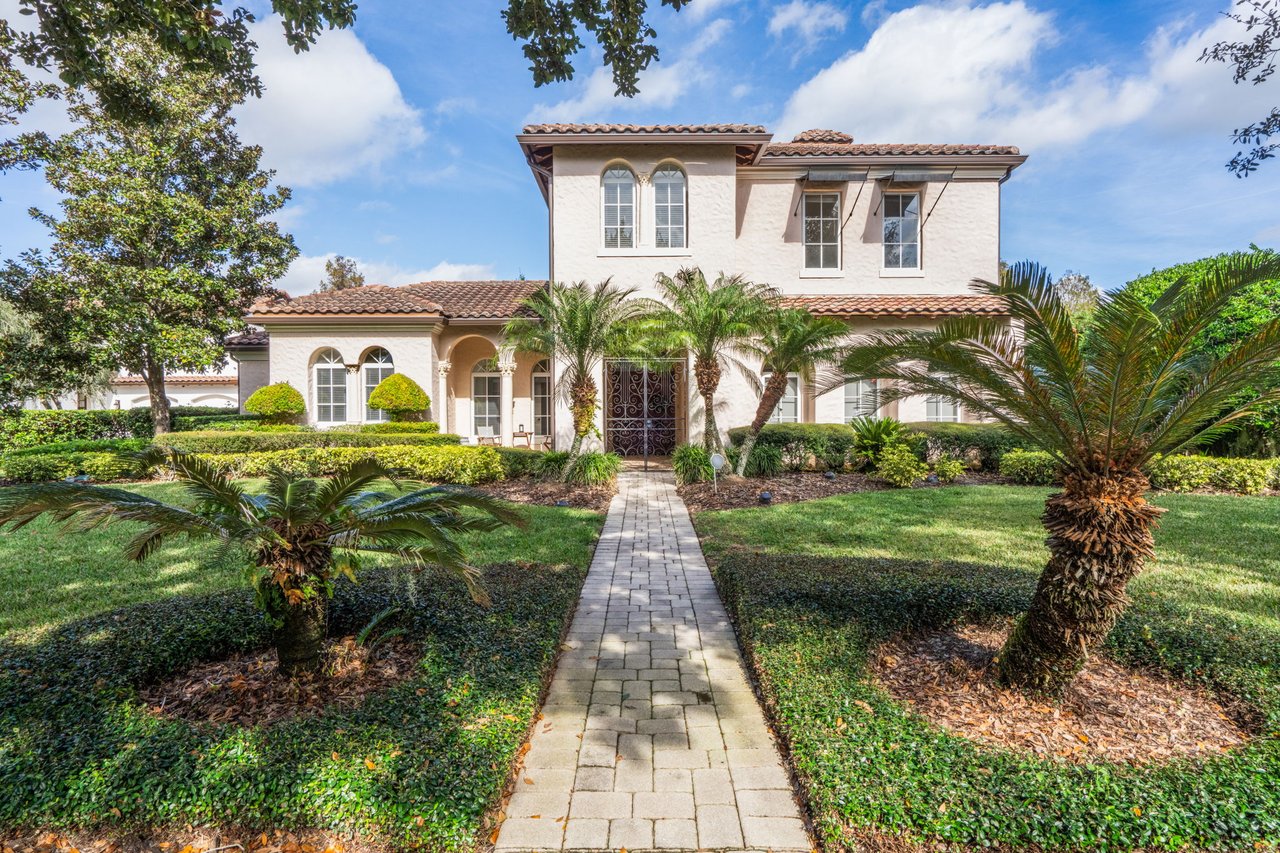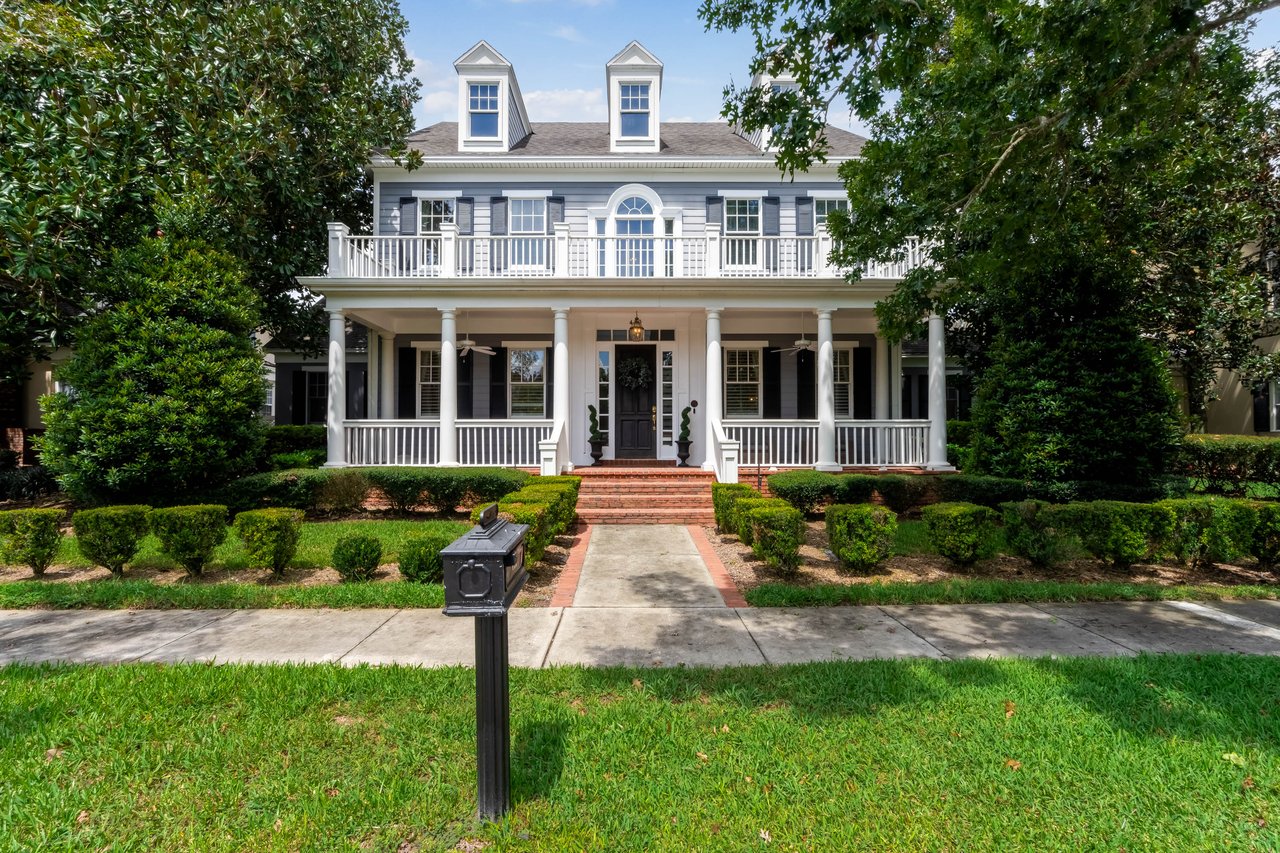
Wondering whether a brand-new home in Island Village or a classic resale in Celebration’s original villages is the better fit for you? It is a smart question, especially in a community where the village you choose can shape your day-to-day experience just as much as the home itself. If you are weighing newer finishes against established streetscapes, this guide will help you compare the tradeoffs clearly and confidently. Let’s dive in.
Celebration has two very different eras
Celebration is one master-planned town, but its villages were built in different phases. The Celebration Community Development District was established in 1994 and handles certain community-wide services such as street lights, waterways, mosquito control, public common areas, and alleys, while homeowner association matters like dues, covenants, active parks, and pools are handled separately by CROA.
That bigger structure matters because Island Village is part of Celebration, but it represents the newest chapter of the community. By contrast, Celebration’s downtown area and first residential phase opened in 1996, which means many homes in the original villages are now about 30 years old as of June 2026.
What Island Village new homes offer
Island Village is Celebration’s newest village, and it was introduced as a new-home community with walkable, neighborhood-style retail, parks, walking paths, and green surroundings. For many buyers, that means a more current feel from day one.
Mattamy Homes currently markets townhome and single-family options in Island Village. Available home types include 3 to 4 bedrooms, 1 to 2 stories, about 1,628 to 3,439 square feet, and 2 to 3-car garages, with some quick move-in homes also listed.
Newer floor plans and finishes
One of the biggest reasons buyers look at Island Village is the appeal of newer construction. You may prefer a layout that feels more current, along with a home that has not had decades of wear.
That does not automatically mean every new home will fit your budget the same way. Mattamy notes that model homes may show upgrades, features, and design elements that are not included in the actual home you buy, so it is important to compare the real floor plan, included features, and final spec sheet instead of the staged model alone.
Builder warranty coverage
For buyers who want fewer immediate repair concerns, warranty coverage can be a meaningful advantage. Mattamy’s Florida warranty materials state that new homes include a mandatory one-year warranty, a two-year warranty on certain items, and a ten-year structural warranty.
There are limits to that coverage, so you still want to read the details carefully. The same materials say trees and many plants are not warranted, and irrigation is covered for one year only.
A cleaner maintenance starting point
Many buyers are drawn to new construction because it can offer a simpler maintenance starting point. In practical terms, Island Village often appeals to buyers who want newer finishes, builder-backed warranty coverage, and fewer immediate projects after closing.
That can be especially attractive if you are buying a second home, relocating from out of state, or simply want a more predictable first few years of ownership. It will not remove every maintenance responsibility, but it can reduce the chances of inheriting older systems or dated materials right away.
What classic Celebration resales offer
Classic Celebration resales usually mean homes in the earlier villages, where the first residents began moving in after the community’s 1996 opening. While every property is different, homes in these established areas are more likely to reflect older construction dates and earlier design packages.
For many buyers, that age is not a drawback. It is part of the appeal.
Mature streetscapes and tree canopy
The Celebration CDD describes street trees as a defining design element of the community. In the older villages, that often translates into a more mature canopy, more shade, and a streetscape that feels settled and established.
If you love the look of tree-lined streets and a neighborhood that feels fully grown in, a classic resale may be a strong match. That established setting is one of the clearest lifestyle differences between older Celebration villages and the newer sections.
More upkeep may come with the charm
With older homes and mature landscaping, maintenance expectations can look a little different. The CDD states that homeowners are responsible for general street-tree maintenance, including fertilizing and irrigating, as well as trees that overhang into alleys.
The district also maintains common-area landscaping, street and alley lights, and other shared community features. Still, if you buy in an older village, it is wise to expect more attention to tree care and other age-related upkeep than you might in a newly built home.
Established character and fully built-out feel
A classic resale often appeals to buyers who want the feel of a neighborhood that has been lived in and shaped over time. In practical terms, these homes tend to fit buyers who value mature landscaping, established streetscapes, and the sense of a fully built-out village.
That does not mean every resale is the same. Some homes may be updated, while others may need improvements, so the real comparison comes down to the specific property, not just the village name.
Key differences to compare
If you are deciding between Island Village new construction and a classic Celebration resale, focus on the factors that will affect your daily life and long-term costs most.
Factor | Island Village New Homes | Classic Celebration Resales |
|---|---|---|
Development era | Newest chapter of Celebration | Earlier phases dating back to the 1996 opening |
Home style | New townhomes and single-family homes | Existing homes with varying update levels |
Layouts | Current builder floor plans | Older layouts may vary by original design and renovations |
Warranty | Builder warranty coverage available | No new-home builder warranty in the same way |
Streetscape feel | Newer neighborhood setting | More mature trees and established streetscapes |
Maintenance starting point | Often fewer immediate projects | May involve more age-related upkeep |
Budget questions buyers should not skip
Price is only part of the story in Celebration. You also want to understand how ongoing costs and assessments fit into your total monthly and annual budget.
Osceola County states that non-ad valorem assessments are separate from property taxes, are collected on the annual tax bill, and still apply even when a homestead exemption applies. County resources also note that taxes and assessments are itemized on the property tax statement.
Why assessments matter in Celebration
The Celebration CDD says its ordinance authorizes bonds and non-ad valorem assessments for infrastructure such as stormwater, roads, sidewalks, street lights, landscaping, and other basic improvements. That means when you compare homes, especially across different sections of Celebration, you should review the full tax bill and not just the listing price.
This is one of those details that can affect affordability more than buyers expect. A careful side-by-side review of taxes, assessments, dues, and likely maintenance can give you a much clearer picture of true ownership cost.
New-home pricing needs a close read
If you are comparing a builder home to a resale, make sure you are comparing real numbers and not idealized ones. A model home can create a stronger visual impression than the base or standard version of the same plan.
That is why a solid comparison should include the actual home site, included features, upgrade costs if any, and the expected carrying costs. It is the easiest way to avoid underestimating the total investment.
Maintenance details can differ by village
One small but practical difference inside Celebration involves alley lighting. The Celebration CDD notes that alley lighting in all villages except Island Village is district-maintained, so maintenance expectations are not identical across every section of the community.
This is a good reminder that two homes in the same master-planned town can still come with different day-to-day ownership details. When you are deciding between new and resale, those smaller operational differences are worth asking about early.
Which option fits your goals best?
If your top priorities are newer finishes, a builder warranty, and a simpler maintenance starting point, Island Village may feel like the more comfortable choice. It can be especially appealing if you want a home that feels fresh and more predictable from the start.
If you are drawn to mature trees, established streets, and the feel of a neighborhood that has had time to settle in, a classic Celebration resale may be the better fit. You may trade some of the new-home simplicity for more character and a more established setting.
Neither option is automatically better. The right choice depends on how you balance budget, maintenance, timing, and the kind of everyday environment you want to come home to.
If you want help comparing specific homes in Island Village versus Celebration’s established villages, local detail matters. Working with a Celebration specialist can help you sort through taxes, assessments, village differences, and property-specific tradeoffs with much more confidence. When you are ready to explore the right fit, Tiffany Baro is here to help.
FAQs
What is the difference between Island Village and classic Celebration villages?
- Island Village is Celebration’s newest village with new-home construction, while classic Celebration villages are earlier parts of the community that began opening in 1996.
Are new homes in Island Village covered by a builder warranty?
- Mattamy’s Florida warranty materials say new homes include a one-year warranty, a two-year warranty on certain items, and a ten-year structural warranty, with some limits on landscaping and irrigation coverage.
Do classic Celebration resale homes usually need more maintenance?
- They can, because many are older homes in established villages, and buyers should expect to review age-related upkeep items and homeowner responsibilities such as street-tree care.
Are taxes and assessments the same as HOA dues in Celebration?
- No. Osceola County says non-ad valorem assessments are separate from property taxes and are itemized on the annual tax statement, while HOA-related matters are handled separately.
Is Island Village part of Celebration?
- Yes. Island Village is listed as one of Celebration’s villages and is considered the community’s newest chapter.
What should buyers compare when choosing between Island Village and a Celebration resale?
- Compare the actual home price, included features, taxes, non-ad valorem assessments, dues, warranty coverage, likely maintenance needs, and the overall feel of the specific village.