Building a new home in Island Village can feel exciting and a little overwhelming at the same time. You may be wondering how long it will take, how many choices you will really get, and what happens between signing a contract and getting your keys. The good news is that a little clarity goes a long way, and knowing the process upfront can help you make more confident decisions. Let’s dive in.
Island Village today
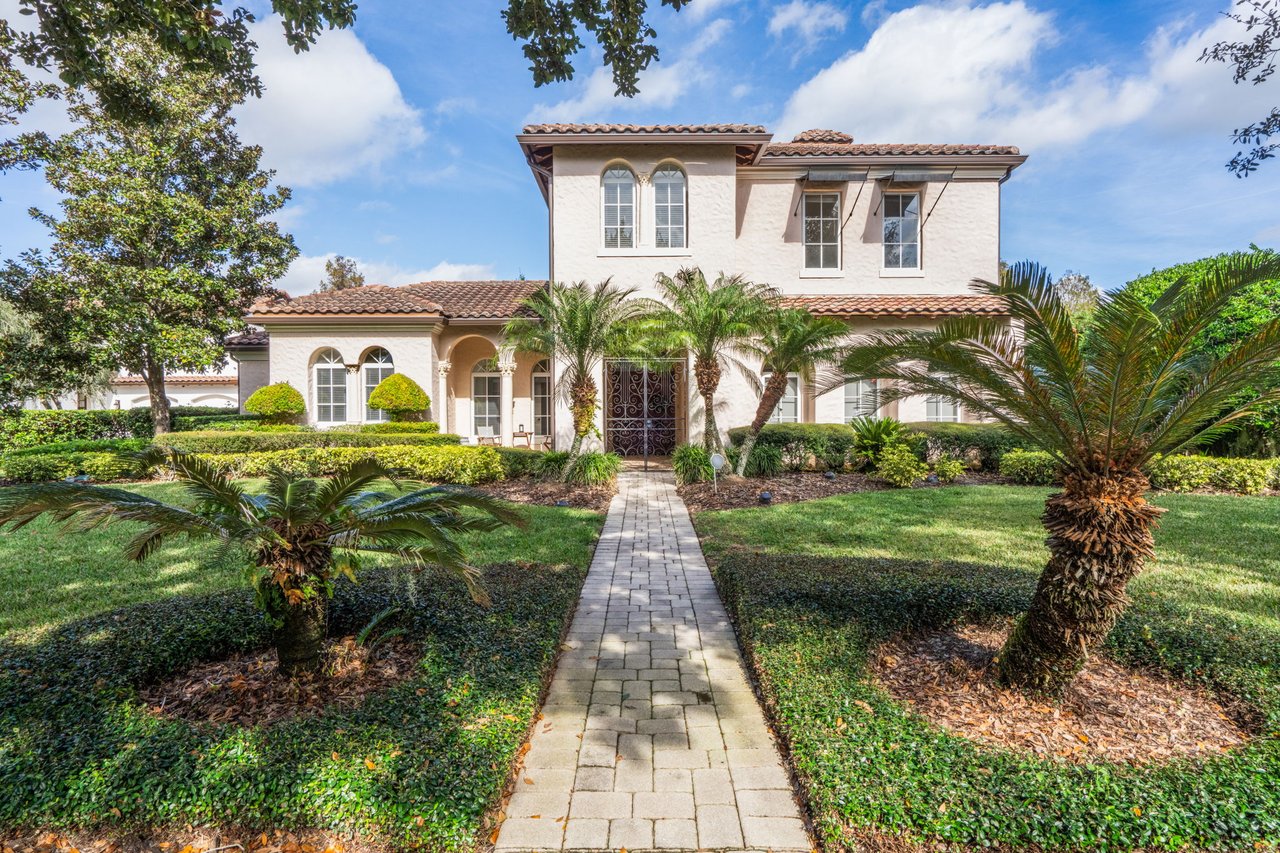
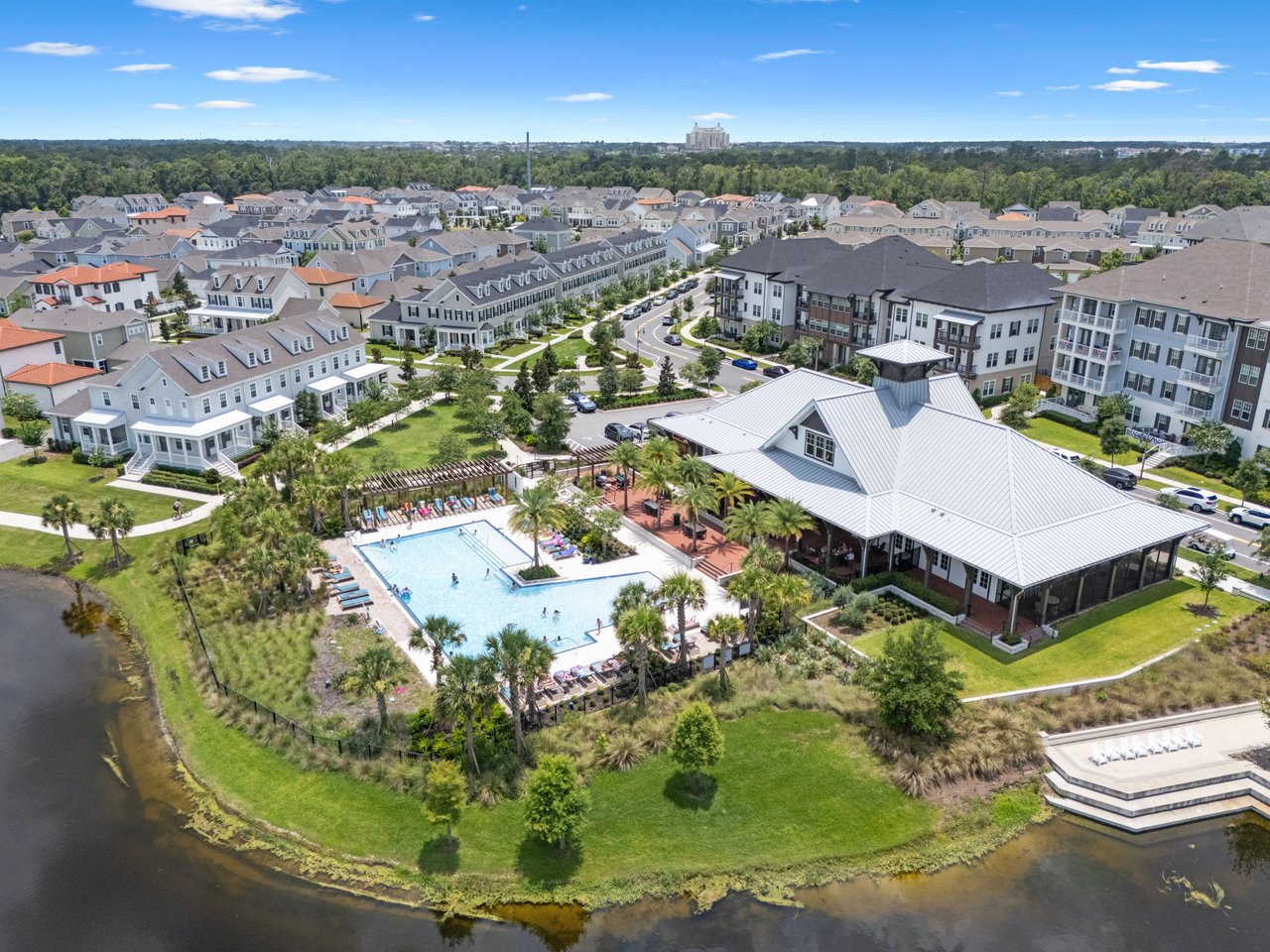
Island Village at Celebration is one of the newer parts of Celebration, and it is still actively taking shape. It is described as a walkable, pedestrian-friendly area with parks, walking paths, and nearby community spaces, which is a big reason many buyers are drawn to it.
Right now, the community includes both townhomes and single-family homes. Current builder information shows 16 floorplans and 21 quick move-in homes, with layouts ranging from 3 to 4 bedrooms, 2 to 3 full baths, 1 half bath, about 1,628 to 3,439 square feet, and 1 to 2 stories.
It is also important to understand that Island Village is not fully built out yet. Osceola County planning materials in 2025 referenced Phase 4 with 421 lots and 183 tracts across about 94.81 acres, which tells you this is still a growing community rather than a finished one.
Choose your building path
One of the first decisions you will make is whether to buy a to-be-built home or a quick move-in home. That choice shapes your timeline, your level of personalization, and how much flexibility you may have during the process.
A to-be-built home usually gives you more opportunity to choose your homesite, floorplan, exterior style, and many interior finishes. A quick move-in home is typically already under construction or completed, so it can be the faster option if your priority is getting into the home sooner.
What to-be-built means
If you want a more personalized home, this is often the route buyers prefer. Builder materials say buyers can select a homesite and personalize everything from floorplan choices to architectural options and interior selections.
That said, personalization does not mean unlimited changes forever. Some decisions are locked in early, so it helps to be prepared to make selections on time and keep close track of deadlines.
What quick move-in means
If speed matters most, a quick move-in home may be the better fit. These homes are already underway or finished, which can shorten the path to closing.
You may have fewer design choices, but you can often get more certainty around timing. For many buyers, that tradeoff is worth it.
Understand the selection process
Mattamy outlines a six-step homebuying path: Discover, Finance, Purchase, Personalize, Pre-construction, and Move-in. In real life, that means you will move from choosing the right home type into financing, contract details, design decisions, construction milestones, and final delivery.
This phase can move faster than buyers expect. Once you are under contract, choices often come with firm timelines, especially if materials or construction schedules require early decisions.
Expect financing to start early
Builder guidance recommends getting pre-qualified early through Mattamy Home Funding. Whether you use the builder's lending path or simply use that recommendation as a sign of how early financing conversations begin, the key takeaway is that your budget and approval should be clear before you get too deep into home and option choices.
For many buyers, this is helpful because it keeps the process grounded. It is much easier to compare floorplans, homesites, and upgrades when you know your financing range from the start.
Design choices are exciting, but structured
After exterior style choices, buyers move into the Design Studio experience. Builder materials describe curated interior selections and designer guidance for finishes and fixtures.
This is often one of the most enjoyable parts of building, but it is also where being organized matters. Your final choices should be reviewed carefully because the purchase agreement and attached pricing or option documents control what is included.
Your contract matters most
One of the biggest misconceptions in new construction is that the model home, brochure, or sales conversation tells the full story. In practice, the signed purchase agreement is the document that controls the timeline, options, and incentives.
That matters in Florida, especially when you are trying to plan a move, coordinate a current home sale, or buy from out of state. Mattamy's legal terms state that unless the purchase agreement says otherwise, construction is required to be completed within two years of signing the home purchase agreement.
This does not mean every home will take two years. Builder guidance says many buyers go from selecting a home to moving in within a few months, especially with quick move-in inventory, but your specific contract controls the real timeline.
What happens during construction
Once construction begins, the process typically moves through major building stages from foundation to rooftop. Mattamy describes milestone updates along the way, which can help you follow progress without feeling like you are guessing.
For buyers, the important part is not just waiting for the house to be finished. It is understanding that several steps happen between contract and closing, and some of those steps depend on construction progress, inspections, and county approvals.
Key meetings to expect
Mattamy's process specifically includes a pre-construction meeting and a pre-drywall walkthrough. These are useful checkpoints because they give you a clearer sense of what has been completed and what comes next.
The pre-drywall stage is especially valuable because many parts of the home are easier to view before walls are fully finished. It is one of the best opportunities to stay informed about how your home is coming together.
County permits and inspections matter
In Osceola County, permits and inspections are part of the timeline too. Residential permits typically take 3 to 5 business days for plan review once submitted, and inspections must happen at various intervals during the build.
For projects valued over $5,000, the county also requires a notarized and recorded Notice of Commencement to be posted at the site. Final approval cannot happen until the final inspection is complete and the permit can be closed.
Set realistic timing expectations
If you are building in Island Village, it helps to think of the timeline in ranges rather than exact dates. Quick move-in homes are generally the shortest path, while to-be-built homes usually take longer because they involve home selection, design decisions, construction, and inspections.
At the same time, Island Village is being built in phases, so your home may be finished before nearby sections are complete. That can affect what you see around you during and after move-in.
A realistic way to think about timing is this:
- Quick move-in homes may offer the most predictable path
- To-be-built homes usually require more patience
- The signed agreement controls the official completion window
- County inspections and approvals still need to be completed before final occupancy
The final walkthrough is important
As closing gets closer, buyers often focus on packing and utility setup. Just as important is the final orientation or walkthrough, because this is your chance to confirm visible finishes, test features, and document issues.
Mattamy's Florida warranty manual makes this step especially important. It notes that items not listed on the checklist may not be repaired later, so this is the time to be thorough and attentive.
What to check before closing
During the final orientation, pay close attention to the items you can see and test. The builder's warranty guidance specifically references things like doors, tubs and showers, smoke detectors, countertops, and paint.
A simple checklist can help you stay focused:
- Test doors and locks
- Check tubs and showers
- Confirm smoke detectors are in place and functioning
- Review countertops for visible damage
- Look closely at paint and finish details
- Test major operational features that are available to inspect
Closing and occupancy are separate steps
It is easy to think of closing as the finish line, but there is also a county process tied to occupancy. In Osceola County, a Certificate of Occupancy is issued after final inspection when no violations remain.
The county says the Certificate of Occupancy is typically issued 1 to 2 business days after the power call is processed. The county also checks that required impact fees have been paid, including school, fire, park, transportation, fire rescue, and solid waste fees.
That is why it helps to think of closing as the final legal step in your purchase, while occupancy depends on the final administrative and inspection process being complete. It is a small distinction, but it can help set better expectations.
Life after move-in
A new home does not always mean a finished community. Mattamy notes that communities may still be under construction after buyers move in, and that fits what you should expect in Island Village's phased buildout.
In practical terms, you may still see active construction nearby, trade traffic, or unfinished surroundings in adjacent sections. For many buyers, that is simply part of getting into a newer phase of Celebration.
Know your warranty coverage
After closing, Florida buyers receive a mandatory one-year warranty under state law. Mattamy also provides express limited warranties that include a two-year warranty on certain systems and a ten-year structural limited warranty on listed structural components.
If something comes up after closing, Mattamy Customer Care handles warranty requests. The builder also offers after-hours emergency support for certain urgent issues, such as major plumbing leaks, complete loss of electricity, total loss of water or sewer blockage, and total loss of heat during winter months.
Why local guidance helps
New construction feels simpler on the surface because the home is brand new, but there are still many moving parts. In a niche market like Celebration, it also helps to understand how one village compares to another, what tradeoffs come with a still-growing phase, and how timing can affect your move.
If you are weighing Island Village against other parts of Celebration, a local perspective can help you sort through floorplan options, builder timelines, contract details, and resale considerations in a practical way. That kind of guidance is especially helpful if you are buying from out of town or trying to line up a sale and purchase at the same time.
If you are considering building in Island Village and want steady, detail-oriented guidance from someone who knows Celebration well, Tiffany Baro would be glad to help you make sense of the process and next steps.
FAQs
What should you expect when building in Island Village?
- You should expect to choose between a to-be-built home and a quick move-in home, follow a structured selection and construction process, and work within builder and county timelines before closing and occupancy.
How long does it take to build a home in Island Village?
- Builder materials say many buyers move from selection to move-in in a few months, but quick move-in homes are usually faster, to-be-built homes usually take longer, and the signed purchase agreement controls the actual completion timeline.
What choices can you make when building in Island Village?
- With a to-be-built home, you may be able to choose the homesite, floorplan, exterior style, and many interior finishes, but some selections are locked in early and the contract documents control the final options.
What happens at the final walkthrough for an Island Village new build?
- The final walkthrough is your chance to confirm finishes, test visible features, and document issues on the checklist, including items like doors, tubs and showers, smoke detectors, countertops, and paint.
Can you move in right after closing on an Island Village home?
- Not always, because Osceola County issues the Certificate of Occupancy after final inspection and required processing, so closing and final occupancy are closely related but not exactly the same step.
Will Island Village still have construction after you move in?
- Possibly, because Island Village is still being built in phases, so nearby sections of the community may remain under construction even after your home is complete.