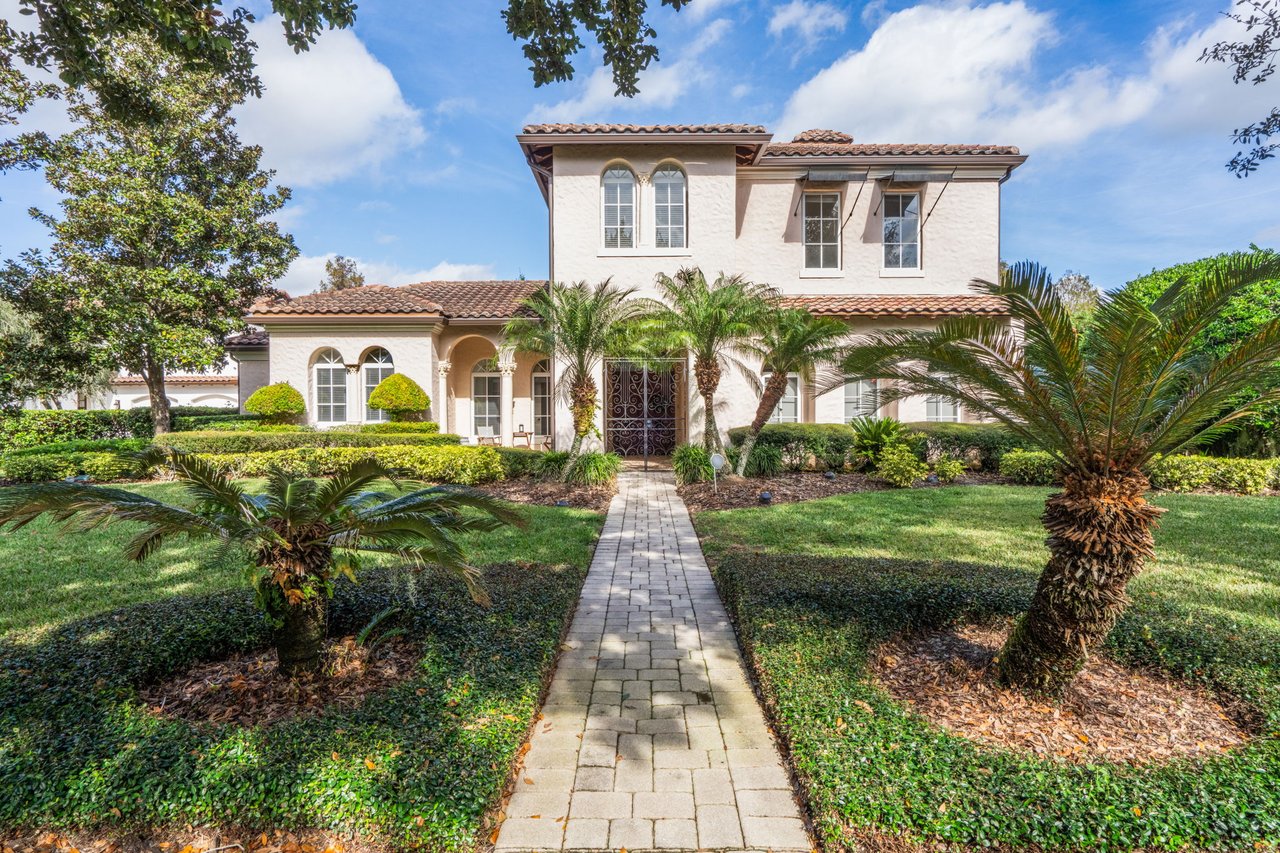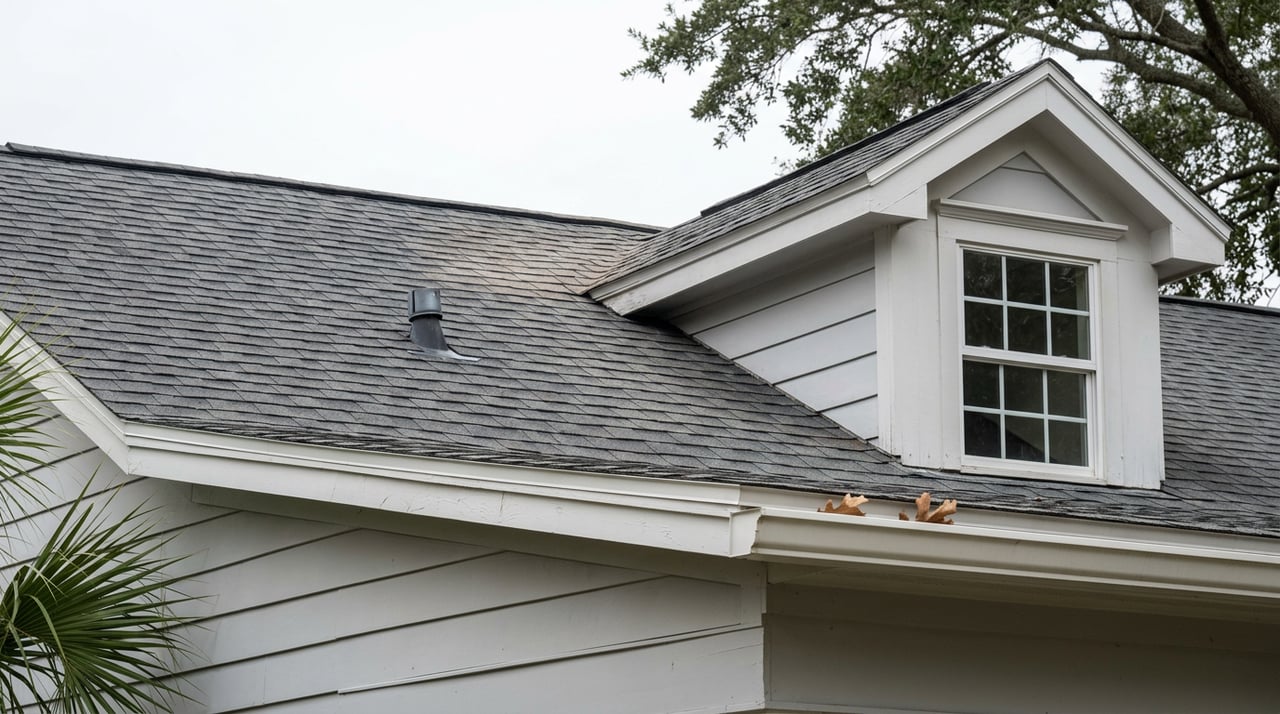
One Central Florida roofing crew's own project notes describe a Celebration Victorian built in 2001 that reached its twenty-second summer with a roof that still looked fine from the sidewalk. The Celebration Residential Owners Association didn't see it that way. Before a single shingle could come off, the homeowner needed sign-off on a specific designer-profile shingle that matched the home's original architectural character, and once approval came through, the crew still needed two full days just for the steep-pitch installation.
That sequence, inspection first, approval second, work third, is the quiet mechanic running under almost every roof replacement in Celebration's original villages right now. Most sellers assume the roof conversation starts and ends with insurance. In Celebration, it doesn't. There's a second clock ticking, and it belongs to the town's own design guidelines, not to any insurance carrier.
The Insurance Clock Has Already Moved Since Most Sellers Last Checked
Florida law gives homeowners real protection here. Under Florida Statute 627.7011, an insurer cannot refuse to issue or renew a policy solely because a roof is under 15 years old, and even past that mark, a certified inspection showing at least five more years of useful life is supposed to keep coverage in place rather than trigger an automatic decline. That protection hasn't changed.
What has changed is who's actually writing the policy. Osceola County's Citizens Property Insurance book fell from 14,089 personal-residential policies representing $5.37 billion in exposure on December 31, 2024, to just 2,227 policies covering about $525 million by May 31, 2026, as private carriers absorbed the vast majority of that county's Citizens business in under a year and a half. That's not a shrinking insurance market. That's the state's insurer of last resort handing off nearly every policy it used to carry in Osceola County to private companies with their own underwriting rules and their own appetite for older roofs.
A seller who assumes their current policy tells the whole story is working from outdated information. A buyer's lender will run its own check during underwriting, and the carrier reviewing that file may not be the one the seller has dealt with for the past decade.
The paperwork changed too. Florida updated the wind mitigation inspection form, OIR-B1-1802, for the first time in over a decade, effective April 2026. If the wind mitigation report on file for a home predates that update, a buyer's carrier may not accept it as-is, which means a fresh inspection, not just a fresh quote. And starting with applications effective August 1, 2026, Citizens can automatically pull a home's last roof-update year from third-party data rather than relying on what an owner reports. Permit history that used to sit quietly in a county file now surfaces on its own.
Celebration's Design Guidelines Are the Part No Generic Insurance Guide Mentions
Here's the part that's specific to this town and doesn't show up in a statewide insurance explainer. Celebration's Residential Owners Association maintains published design guidelines that govern roofing color, material, and profile, and the review isn't limited to full replacements. A change to either color or material, even on a repair, can require sign-off before work starts.
The fastest path through that review is choosing from a shortlist of pre-approved shingle SKUs that the association has already cleared. Anything outside that list means submitting manufacturer specifications, color samples, and photos for individual review, a process that commonly runs two to six weeks depending on how complete the first submission is. That review sits alongside, not instead of, the municipal roofing permit every replacement already requires in Celebration's jurisdiction.
An insurer wants proof the roof will hold up. Celebration's design review wants proof it will look right. Neither committee is in a hurry to accommodate the other's deadline.
For a seller who's also managing a listing timeline, that's two separate calendars running at once, and only one of them starts the moment a buyer's inspection period begins.
What This Actually Costs, By Material
Pricing in Celebration runs on the higher end of Central Florida averages because of the community's premium material expectations, but the range gives a seller something concrete to work from when a roof becomes part of the conversation.
| Roofing Material | Installed Cost (2,000–2,500 sq ft home) | Realistic Lifespan in Celebration's Climate |
|---|---|---|
| Architectural shingle | $14,000–$24,000 | 20–28 years |
| Concrete tile | $24,000–$45,000 | 25–40 years, with underlayment often redone around year 25 |
| Clay tile or standing-seam metal | $30,000–$60,000+ | 40–60 years |
Florida heat and UV exposure shorten every one of these lifespans compared to the numbers printed on a manufacturer's warranty. A shingle marketed nationally as a 30-year product is realistically a 20 to 28 year product on a Celebration roofline.
Why This Is Landing On Original-Village Homes Right Now
Celebration's earliest neighborhoods, the ones built as the town took shape in the mid-to-late 1990s, are aging into exactly the window where insurers start asking for documentation. A home finished in 1998 turns 28 this year. One from 2003 turns 23. Both sit inside the range where even a well-maintained shingle roof is approaching the point where most private carriers want a certified remaining-life inspection before writing a new policy, a document a buyer's lender will require regardless of what the seller's existing coverage says.
This is a story about the original villages specifically, not the town as a whole. Newer construction in places like Island Village isn't old enough yet to trigger any of this. The timeline described here belongs to Main Village, North Village, South Village, and the rest of Celebration's first decade of homes.
Getting Ahead Of Both Clocks
A seller who waits for a buyer's inspection period to raise the roof question has usually already lost two to four weeks that didn't need to be lost. A few moves change that:
- Order a roof inspection built specifically for insurance purposes, a documented remaining-useful-life report meeting the standard under Florida Statute 627.7011, rather than relying on a general home inspection alone, if the roof is anywhere past 15 years old.
- Pull permit history for any prior roofing work before listing. With Citizens now able to pull roof-update years automatically starting in August 2026, undocumented work can surface on its own during a buyer's underwriting.
- If replacement looks likely, start a CROA design review submission in parallel with the insurance inspection instead of waiting for a buyer's inspection period to force the issue. Choosing a pre-approved shingle SKU shortens that review meaningfully.
- If the wind mitigation report on file predates April 2026, ask about getting a current one on the updated form before a buyer's carrier requests it.
- Keep every approval letter and invoice in one file. A buyer's insurer and lender will both want to see it.
If you're mapping out a broader listing timeline for an original-village home, our seller resources walk through the rest of that sequence, and our earlier look at Celebration's HOA fees and CDD assessments covers the other recurring costs buyers ask about once a roof conversation opens the door to everything else.
A Few Direct Questions
Does a roof past 15 years mean I have to replace it before selling? Not automatically. Florida law protects owners from a straight age-based denial if a certified inspector confirms at least five more years of useful life remaining. The certification, not the calendar year, is what a buyer's carrier will actually ask to see.
Do I need CROA approval even for a repair, not a full replacement? Often yes for anything visible from the street. The design guidelines cover roofing color and material specifically, and a repair that changes either one typically still goes through review, not just a full tear-off.
How long should I budget if my roof is borderline? Plan on the insurance inspection and the design review running at the same time rather than one after the other. Even a straightforward submission using a pre-approved shingle can take two to six weeks, and that clock only starts once paperwork is actually filed, not once a seller decides to list.
If you're weighing whether your roof needs attention before you put an original-village Celebration home on the market, that's exactly the kind of question worth talking through before a listing date gets set rather than after an offer comes in. Tiffany Baro has spent two decades inside these villages and can help you sequence the inspection, the design review, and the listing timeline so none of them catch you off guard. Let's Connect.